Published on
Posted by Richard Whitlam
A national recall has been issued after asbestos was detected in several popular coloured sand products sold across Australia, prompting school closures and urgent safety alerts.
This week, laboratory testing confirmed traces of tremolite asbestos in multiple decorative sand products used for children’s arts, crafts, and sensory play. The ACCC has recalled the following brands:
- Kadink Decorative Sand
- Educational Colours Rainbow Sand
- Creatistics Coloured Sand
These products were sold across major retailers, including educational suppliers and Officeworks

School Closures and Precautions
The discovery led to the closure of 16 public schools in Canberra, several partial closures, and the shutdown of at least one Brisbane school and an after-school care centre. Impacted schools have isolated areas, removed products, and arranged professional cleaning.
Authorities are emphasising that the risk of fibre inhalation is low, as testing detected only naturally occurring asbestos in fibre bundles and not airborne respirable fibres. However, the closures have been enacted out of caution to protect students, staff, and families.
Impact Across States
- ACT & Queensland: Several schools temporarily closed or quarantined affected areas.
- NSW, Victoria, NT, South Australia: No school closures, but immediate removal and disposal of recalled products has been recommended.
Departments of Education across the country have issued alerts advising schools to safely isolate any coloured sand products and follow remediation guidance.
Advice for Parents and Consumers
If you have any of the recalled sand products at home—or craft items made with them:
- Do not disturb the sand or allow it to create dust.
- Wear gloves, eye protection, and a P2 respirator if handling it.
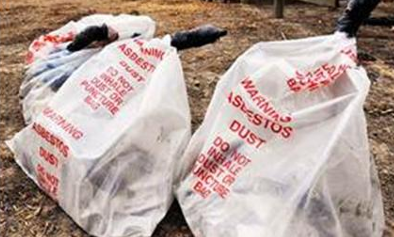
- Double-bag the product in thick plastic, seal it with tape, and label it as asbestos waste.
- Dispose of it according to your state or territory’s asbestos regulations.
Guidance and disposal locations are available via the Asbestos and Silica Safety and Eradication Agency.
A Precautionary Event, but a Serious Reminder
While authorities confirm the risk of airborne asbestos is low, this incident highlights the importance of strict product testing, supply-chain oversight, and proactive risk management when materials are used around children.
If you need assistance with asbestos assessments, air monitoring and product testing, school support, or contamination management, our team can help.